New York Learner Permit Test - How to Prepare, Pass, and Meet the Requirements
The New York learner permit test is the state’s written exam that checks your knowledge of road signs, traffic laws, and safe‑driving practices — everything you need before you start supervised driving. This guide walks you through who can apply, the documents to bring to the DMV, what the test covers, and practical study methods to help you pass. You’ll find a clear breakdown of the test format and passing score, the topic areas to prioritize, and the next administrative steps after you pass (including the required 5‑hour pre‑licensing course and junior permit rules). We’ve included checklists, tables, and a simple practice plan so you can study efficiently and stay calm on test day. Where helpful, we explain how a structured, interactive permit preparation course can slot into a busy study schedule to speed your progress.
What Are the New York Learner Permit Requirements?
To get a New York learner permit you must meet the state’s age and eligibility rules, pass a vision screening, and bring acceptable documents proving identity, age, residency, and Social Security status to the DMV. These checks make sure the permit is issued to the correct person and that vision is adequate for supervised driving. Having the right paperwork and knowing the application steps ahead of time shortens your visit and prevents delays. The next section covers minimum age and parental consent details to check before you book your DMV appointment.
What Is the Minimum Age and Eligibility for a NY Learner Permit?
In New York a junior learner permit is available at age 16. Applicants under 18 usually need a parent or guardian’s consent and must satisfy any school or ID verification requirements. These rules put younger drivers into the graduated learning process with proper oversight. Double‑check any school or documentation conditions before you go to the DMV so you don’t need a second trip. Once you understand age and consent rules, it’s easier to gather the exact documents the DMV will ask for at your appointment.
What to Expect on the New York Learner Permit Test: Format and Content
The New York permit test is a multiple‑choice written exam that tests your knowledge of signs, traffic rules, and safe‑driving habits. Knowing the format — number of questions, passing score, and common question types — lets you focus study time on high‑value topics and reduces test‑day uncertainty. Practice sign recognition, right‑of‑way scenarios, and rules around impaired driving to build confidence. The next section gives the exact question count and scoring, then breaks down the primary topic areas with practical study tips.
How Many Questions Are on the NY Permit Test and What Is the Passing Score?
The New York learner permit test typically has 20 multiple‑choice questions. You must score 70% or higher to pass — that’s at least 14 correct answers out of 20. Because the margin is small, targeted study and timed practice are the best ways to improve accuracy and avoid careless mistakes. Focus review on weak areas and repeat practice tests until your score stabilizes above the passing threshold. With the passing score clear, the next section shows which topics to prioritize.
How Can You Prepare for the NY Permit Test? Best Study Tips and Practice Tests
Good preparation blends active study techniques, regular timed practice tests, and focused review so you learn concepts instead of memorizing answers. Methods like active recall, spaced repetition, and timed drills mirror exam conditions, improve retention, and lower test anxiety. A two‑week plan with daily practice and targeted reviews helps you make steady progress and reveals topics that need extra work. After outlining study schedules and free resources, we explain how a structured permit course can speed your readiness if you prefer guided learning.
Where to Find Free NY DMV Permit Practice Tests and Interactive Quizzes?
Start with the official driver’s manual and add interactive practice sites that offer timed quizzes and sign‑image drills. Combine reading with daily 20‑question timed quizzes: review what you missed, make flashcards for gaps, and repeat until accuracy improves. A two‑week template might use daily 20‑question sets plus focused review sessions on incorrect items. Structured practice plus manual review produces measurable score gains and prepares you for the exam’s phrasing and format.
How Does the Online Traffic Safety Permit Preparation Course Help You Pass?
Our Permit Preparation Course complements self‑study with a curated, interactive curriculum that aligns with the New York permit test. The course features self‑paced modules, short videos, audio explanations, and quizzes that reinforce sign recognition and law scenarios. Scenario‑based questions and instant feedback help you translate facts into practical judgment — the same skills the 20‑question exam evaluates. If you want structured guidance that fits a busy life, the course is an efficient way to consolidate study before your DMV visit.
What Are the Next Steps After Passing the NY Learner Permit Test?
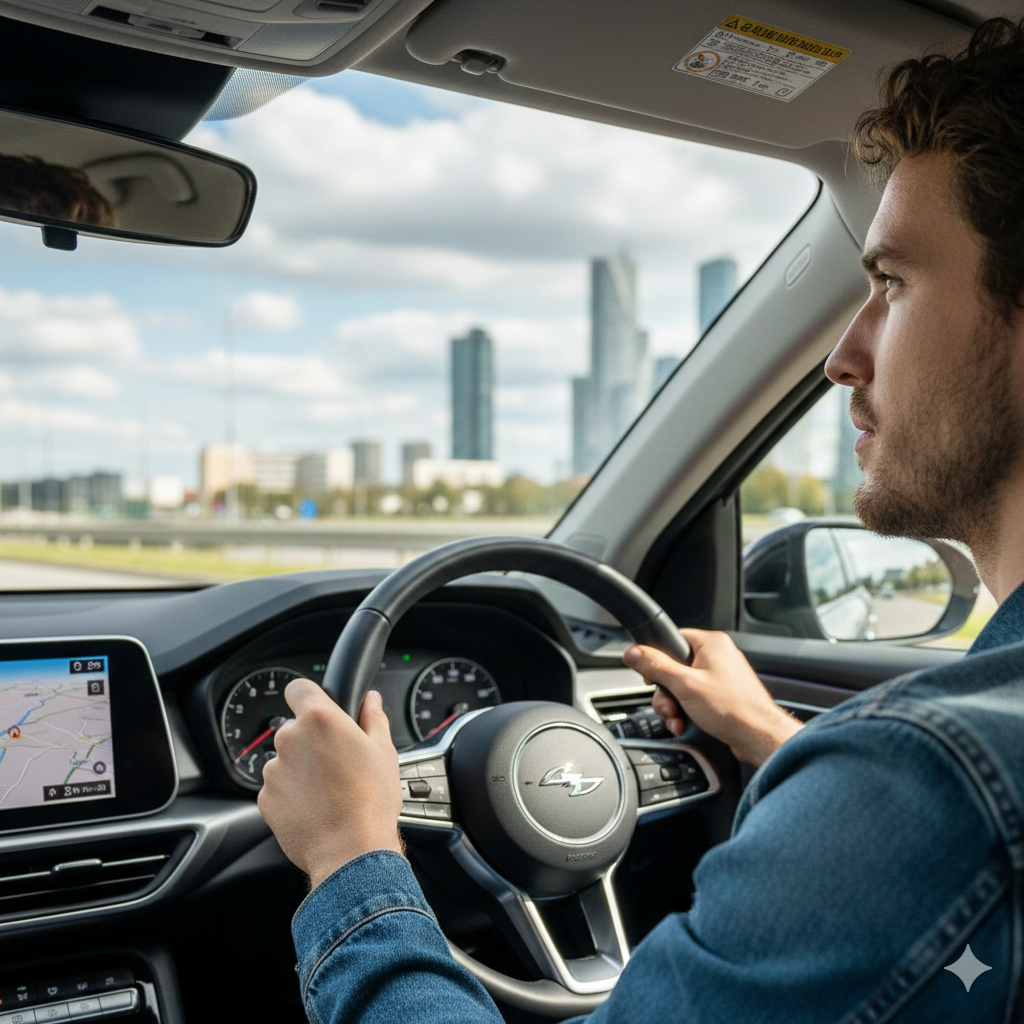
Once you pass the permit test you’ll move on to post‑permit requirements: complete the mandatory 5‑hour pre‑licensing course (if required for your situation), log supervised driving hours, and schedule the road test when eligible. These steps ensure you gain on‑road experience under supervision before the practical driving exam. Knowing the order — pre‑licensing class, documented practice hours, then road test booking — helps you plan timelines and avoid delays. The next sections explain the 5‑hour course and how to schedule a road test while following junior permit limits.
How to Schedule Your NY Road Test and Understand Junior Learner Permit Restrictions?
To book a road test you must meet eligibility requirements, show your 5‑hour pre‑licensing certificate, and ensure your supervised driving practice follows graduated licensing rules. Scheduling early increases your chance of a preferred date. Remember that junior permits limit driving hours, passenger makeup, and supervision details — these restrictions affect how and when you can practice the maneuvers the road test evaluates. Do mock driving sessions, gather required documents for test day, and fix any weak areas before booking. Planning around these constraints helps you schedule the road test at the right time and makes the path to full licensure smoother.
What Are the Key Rules and Restrictions for Junior Learner Permits in New York?
Junior learner permits fall under Graduated Driver Licensing (GDL) rules that limit unsupervised driving, set passenger restrictions, and define who may supervise. These rules reduce risk while new drivers gain real‑world experience. Typical limits cover who can supervise, permitted driving hours, and passenger caps for drivers under 18. Following these rules matters for eligibility to advance to the next license stage. The sections below describe supervised driving expectations and summarize how GDL stages affect progress to full licensure.
What Supervised Driving Requirements Must Junior Learners Follow?
Junior learners must practice with a qualified supervising driver — usually a licensed adult who meets the state’s experience and age requirements — and should log a variety of driving conditions, including night and highway time, to build well‑rounded skills. Best practice is scheduled sessions that gradually increase difficulty, recorded logs of hours, and deliberate practice of road‑test maneuvers. Supervisors should give constructive feedback and vary routes so the learner sees different traffic situations. Proper supervised practice speeds readiness for the driving exam and aligns with GDL expectations.
How Do Graduated Driver Licensing Laws Affect New Drivers in NY?
Graduated Driver Licensing laws phase in privileges from learner to full licensure by attaching safety‑focused restrictions that lower crash risk as experience grows. Each GDL stage adds privileges while keeping safeguards in place; this staged approach affects when you can take the road test. Meeting GDL requirements, including logged supervised hours and required courses, is essential to stay eligible for advancement. Knowing the GDL structure helps families plan practice and timelines to reach a full license efficiently.
About the Author
This guide was compiled by Sarah Chen, a certified driver education specialist with over 15 years of experience in traffic safety and licensing procedures. Sarah has worked extensively with new drivers, helping them navigate the complexities of state driving laws and prepare for permit and road tests. Her expertise includes curriculum development for driver training programs and a deep understanding of graduated driver licensing (GDL) systems across various states, including New York. Sarah is passionate about promoting safe driving practices and empowering learners with the knowledge and confidence needed to become responsible drivers.
Who we are
Featured links
Get in touch
-
info@onlinetrafficsafety.com
Connect with us
-
Facebook
-
Twitter
-
Youtube
-
Instagram
-
Linkedin
-
TikTok