How to Get a CDL with a P Endorsement: Complete Online Training and Requirements Guide
Getting a Commercial Driver's License (CDL) with a Passenger (P) endorsement is the next step for anyone who wants to drive buses or transport people professionally. This guide breaks down what the P endorsement means, the Federal Motor Carrier Safety Administration (FMCSA) rules you’ll need to meet, and how to prepare for the tests. You’ll also see the career paths this credential opens and how Online Traffic Safety supports you through training and exam prep.
What Is a CDL Passenger Endorsement and Why Is It Important?
A CDL Passenger endorsement (P) authorizes you to drive vehicles designed to carry passengers, such as buses and passenger vans. Beyond meeting legal requirements, the P endorsement shows you’ve been trained in passenger safety, emergency procedures, and professional operation — all essential when you’re responsible for people on board.
What Does the P Endorsement Allow You to Drive?
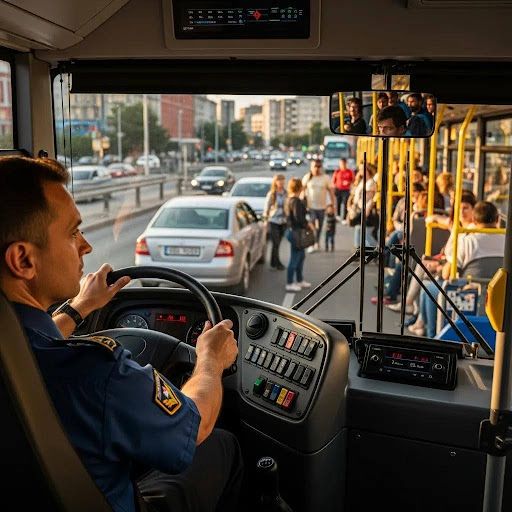
Buses: Vehicles built to carry 16 or more passengers, including the driver.
Why Is the Passenger Endorsement Essential for Bus and Passenger Transport Drivers?
- Job Requirements: Many employers require the P endorsement to ensure drivers are qualified to transport people safely.
- Safety Regulations: The endorsement confirms you’ve completed training in passenger safety, emergency procedures, and vehicle operation.
- Employer Expectations: Companies prefer drivers with a P endorsement because it signals professionalism and responsibility.
What Are the FMCSA Passenger Endorsement Requirements?
The FMCSA sets baseline requirements for the P endorsement that include training, testing, and eligibility criteria. These standards make sure drivers meet minimum safety and competency levels for passenger transport.
Who Needs to Complete ELDT for the P Endorsement?
- New Drivers: Anyone getting their first CDL must complete the ELDT to learn safe driving fundamentals.
- Drivers Adding a P Endorsement: Existing CDL holders who want to add the P endorsement must also complete the required ELDT.
- State-Specific Requirements: Some states may require extra training or steps, so check local rules as well.
What Are the Age, Medical, and Background Check Criteria for the P Endorsement?
- Minimum Age Requirements: You must be at least 18 to drive intrastate and 21 to operate interstate.
- Medical Certification Details: A current medical certificate is required to show you meet FMCSA health standards.
- Background Check Processes: Depending on the role — especially when working with children or vulnerable riders — background checks may be required.
How Does the ELDT Passenger Endorsement Course Work?
The ELDT for the P endorsement delivers targeted instruction on passenger transport safety and operation. It’s structured to meet FMCSA requirements while teaching real-world skills you’ll use on the job.
What Are the Features of Online Traffic Safety’s FMCSA-Approved ELDT Course?
- Self-Paced Learning: Complete the course on your schedule — ideal if you’re working or have other commitments.
- Expert Instructors: Courses are built and reviewed by experienced instructors who know passenger operations.
- Nationwide Recognition: The training meets federal standards and is accepted across the United States.
What Topics and Skills Are Covered in the Passenger Endorsement Training?
- Safety Protocols: How to secure passengers, use safety equipment, and follow load and weight rules.
- Passenger Management: Tips for communicating with and managing passengers professionally and safely.
- Emergency Procedures: Hands-on guidance for handling incidents, evacuations, and on-road emergencies.
This curriculum prepares drivers for both the knowledge and practical demands of passenger transport.
How to Prepare for and Pass the CDL Passenger Endorsement Tests?
What to Expect on the Knowledge and Skills Tests for the P Endorsement?
- Knowledge Test: A written exam covering passenger safety rules, vehicle operation, and regulations.
- Skills Test: A practical driving test that evaluates your ability to operate a passenger vehicle safely and follow required maneuvers.
What Are Effective Study Tips and Practice Resources for Test Success?

- Utilize Practice Tests: Regular practice tests reveal gaps in knowledge and help you get used to question types.
- Study Materials: Use official manuals and recommended guides to reinforce rules and procedures.
- Time Management: Build a study schedule so you cover every topic before test day.
What Career Opportunities and Benefits Come with a CDL P Endorsement?
Which Jobs Require a Passenger Endorsement and What Is the Earning Potential?
- Bus Driver: Operate scheduled routes; average earnings around $45,000 per year.
- Tour Guide/Driver: Lead sightseeing groups; potential pay typically ranges from $30,000 to $50,000 annually.
- Shuttle Driver: Serve hotels, airports, and corporate sites; average pay about $35,000 per year.
How Does the P Endorsement Enhance Your Commercial Driving Career?
- Career Advancement: Opens doors to specialized and supervisory roles in passenger transport.
- Increased Job Security: Employers value drivers who already meet endorsement and safety standards.
- Broader Job Market Access: Qualifies you for more driving opportunities across public and private sectors.
What Is the Process to Obtain and Maintain Your CDL with P Endorsement?
What Are the Step-by-Step Procedures from CLP to Full P Endorsement License?
- Obtain a Commercial Learner's Permit (CLP): Pass the written knowledge test to get your CLP.
- Complete ELDT: Finish an FMCSA-approved ELDT course specific to the P endorsement.
- Pass the Skills Test: Demonstrate safe, competent driving during the behind-the-wheel exam.
- Apply for the P Endorsement: Submit your paperwork to your state licensing agency to add the endorsement.
How Do You Renew and Maintain Compliance for the Passenger Endorsement?
- Renew Your License: Keep your CDL current — renewal intervals vary by state, typically every 4–8 years.
- Stay Compliant with Medical Requirements: Maintain an up-to-date medical certificate to meet FMCSA health standards.
- Complete Continuing Education: Some states or employers require refresher courses or periodic training.
Frequently Asked Questions
What is the difference between a CDL and a CDL with a P endorsement?
About the Author
John M. Reynolds is a transportation safety expert with over 15 years of experience in commercial driver training and regulatory compliance. He has worked extensively with federal and state agencies to develop driver education programs that meet FMCSA standards. John is passionate about helping aspiring commercial drivers achieve their licensing goals through accessible and effective online training. He holds a Master’s degree in Transportation Management and regularly contributes to industry publications on driver safety and professional development.
Who we are
Featured links
Get in touch
-
info@onlinetrafficsafety.com
Connect with us
-
Facebook
-
Twitter
-
Youtube
-
Instagram
-
Linkedin
-
TikTok