How to Get a New York Driver Permit: Requirements, Steps, and Test Prep
Getting a New York learner’s permit is the first official step toward driving legally and building safe habits on the road. This guide covers what a NY learner’s permit is, why the permit test matters for safety, and how the permit fits into New York’s Graduated Driver Licensing (GDL) system. You’ll find eligibility rules, a documents checklist, a clear DMV application walkthrough, study strategies and practice-test options, junior permit restrictions, the 5-hour pre-licensing requirement, and online prep choices. We keep the steps practical and easy to scan so you can plan your DMV visit, study efficiently for the knowledge test, and move toward the road test with confidence.
What Are the Eligibility Criteria and Age Requirements for a NY Driver’s Permit?
What is the Minimum Age to Apply for a New York Learner’s Permit?
How Do You Prepare for the New York Permit Test?
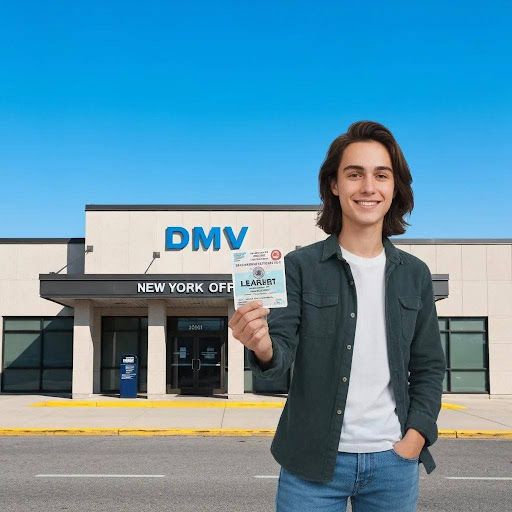
Preparing for the New York permit test means studying official material and practicing regularly so you recognize road signs, rules, and safe driving practices under test conditions. A practical study plan combines careful reading of the NY Driver’s Manual, timed practice tests, and multimedia review to improve recall and speed. Short, consistent practice sessions boost scores and confidence — and cut down on repeat DMV trips. Below are the main topics to focus on and recommended study approaches.
What Topics Are Covered in the NY Driver’s Manual for the Permit Test?
The NY Driver’s Manual contains the topics most commonly tested on the permit knowledge exam. Mastering these areas not only helps you pass the test but also builds safer driving habits. Core areas include traffic laws (right-of-way and speed rules), road signs and signals, safe driving techniques like space management and defensive driving, and the effects of impairment and distraction on crash risk. Practice recognizing signs, run through right-of-way scenarios, and apply rules to everyday driving situations to improve retention.
Where Can You Find NY DMV Permit Practice Tests and Online Study Resources?
Practice tests and structured study tools speed learning by simulating DMV conditions and highlighting areas you need to review. Start with the official NY Driver’s Manual for accurate rules, then use interactive quizzes, video lessons, and timed mock tests to build confidence. For multimedia, turn to Online Traffic Safety’s Permit Preparation Course, which combines audio, video, and quizzes aligned with NY DMV topics and includes practice quizzes to reinforce learning. Use short, focused study sessions and review missed questions by topic to close gaps before test day.
How Do You Schedule a DMV Appointment for Your NY Permit Test?
Book your DMV appointment early to get a convenient time for the knowledge test and vision screening. Use the DMV’s online appointment system and pick off-peak hours if you can to avoid long waits. If you’re a minor, bring parental consent paperwork and any required school or training documentation. Double-check your appointment details before you leave and bring original documents to check in, so you don’t have to reschedule.
What Are the Fees and Vision Test Requirements for the NY Permit Application?
The standard application fee is $80 and you’ll take a basic vision screening at the DMV. The screening checks distance visual acuity and may ask you to read letters or identify objects; wear corrective lenses if you normally use them. Fees can vary by transaction, so confirm current amounts before your visit and bring an accepted form of payment. Passing the vision test and paying the fee completes the onsite requirements so you can start supervised driving practice.
What Are the Rules and Restrictions for Junior Learner Permits in New York?

Junior learner permits under New York’s GDL framework come with specific supervision and limitation rules designed to reduce risk while new drivers gain experience. These rules limit exposure to higher-risk situations — like late-night driving or carrying unsupervised passengers — and require a qualified supervising driver during practice. Below we list the common restrictions and practical examples so families can plan compliant practice sessions.
What Driving Restrictions Apply to Junior Learner Permit Holders in NY?
Junior permit holders must follow supervision, passenger, and time-of-day limits to reduce exposure to risky driving conditions. Typical rules require a licensed adult 21 or older in the front seat, limit passengers to one non-family rider (additional passengers allowed if immediate family), and prohibit driving between 9 p.m. and 5 a.m. unless a parent or guardian is present. Seatbelts are required for everyone and cellphone use while driving is prohibited. Knowing these rules helps families schedule supervised practice that meets legal requirements and builds safe skills.
How Does the Graduated Driver Licensing Program Affect Junior Permit Holders?
The GDL program divides learning into stages—learner, junior license, and full license—so drivers earn more privileges as they gain experience and meet milestones. Each stage requires things like practice hours, passing the written and road tests, and meeting age requirements. Completing the 5-hour pre-licensing course and getting the MV-278 certificate are part of that progression. The GDL framework reduces crash risk by limiting exposure to complex driving situations until drivers have enough experience to handle them safely.
How Does the 5-Hour Pre-Licensing Course Prepare You for the Road Test in NY?
The NY 5-hour pre-licensing course is a required program that reinforces safe driving knowledge and decision-making before you take the road test. It focuses on defensive driving, hazard recognition, and rules that directly affect on-road performance. Completing the course awards an MV-278 certificate, which you need to schedule a road test. Pairing the in-person course with online practice and skills review improves your readiness for the practical exam. Online Traffic Safety offers complementary driving skills and test-prep resources to help you practice on your own time.
What Is the Purpose and Content of the NY 5-Hour Pre-Licensing Course?
The 5-hour course prepares applicants for safer, lawful driving and familiarizes them with behaviors examiners evaluate during the road test. Typical modules include defensive driving techniques, hazard recognition, intersection and right-of-way rules, and the effects of impairment on driving. The course emphasizes practical decision-making and situational awareness to help you perform well during the road test and after you get your license.
How Do You Obtain the MV-278 Certificate and Become Eligible for the Road Test?
To get the MV-278 certificate, enroll in an approved 5-hour pre-licensing course, complete all required modules and assessments, and receive the official certificate upon successful completion. You must present the MV-278 when you schedule your road test. Keep a copy of the certificate and confirm any waiting periods or additional documentation before your test date. Combining the MV-278 with targeted behind-the-wheel practice and online test prep raises your chances of passing the road test on the first try.
Where Can You Enroll in Online Permit Preparation Courses for NY Driver’s Permit Success?
If you want flexible, structured online study, Online Traffic Safety offers a Permit Preparation Course designed to support your permit test study with interactive lessons, practice quizzes, and multimedia content. Additional products include Driver Test Prep modules and Driving Skills Courses that supplement classroom learning and help you rehearse real test scenarios. For commercial drivers, Online Traffic Safety also provides CDL ELDT courses that meet FMCSA-approved curricula. The site emphasizes engaging, interactive lessons (audio, video, quizzes), self-paced access, experienced instructors, and a 100 percent Satisfaction Guarantee to help learners follow a clear path to permit success.
How Do Online Traffic Safety’s Interactive Courses Help You Pass the NY Permit Test?
Online Traffic Safety’s interactive courses match multimedia lessons and quizzes to the topics in the NY Driver’s Manual, helping you recognize rules and apply them under test conditions. Short video and audio explanations clarify signs and scenario-based decisions, while repeated practice quizzes reveal weak spots so you can focus review. Self-paced access lets you study in short bursts that add up to strong retention, and instructor-designed content targets common exam pitfalls so you get realistic practice for the DMV knowledge test.
What Are the Benefits of Self-Paced, Expert-Led NY Permit Preparation Courses?
Self-paced, expert-led courses give you schedule flexibility while delivering structured lessons that mirror official test topics. You can revisit difficult material, track progress with quizzes, and use multimedia explanations that improve long-term retention compared with passive reading. Expert-designed lessons emphasize how rules work in real driving situations so you build both test skills and safe-driving habits. Many learners find that combining the 5-hour pre-licensing course with targeted online practice speeds their progress and boosts confidence for the road test.
About the Author: Sarah Miller
Sarah Miller is a certified driving instructor and traffic safety advocate with over 15 years of experience in driver education. She has helped thousands of new drivers navigate the complexities of New York's licensing process, from learner's permits to full licenses. Her expertise includes GDL laws, defensive driving techniques, and effective study strategies for DMV knowledge tests. Sarah is passionate about promoting safe driving habits and empowering individuals to become confident and responsible drivers on the road.
Who we are
Featured links
Get in touch
-
info@onlinetrafficsafety.com
Connect with us
-
Facebook
-
Twitter
-
Youtube
-
Instagram
-
Linkedin
-
TikTok