How to Get a New York Learner’s Permit: Your Complete NY DMV Requirements & Test Prep Guide
A New York learner’s permit is the first official step toward driving on public roads with supervision — and it starts with passing the NYSDMV written permit test. This guide walks you through who’s eligible, which documents to bring, how the permit test works, study strategies using the NYS Driver’s Manual, and how the 5-hour pre-licensing course (MV-278) fits into road test eligibility. If you’re wondering how to gather proofs of identity, complete the MV-44, or practice permit questions efficiently, this article lays out clear, actionable steps and study routines. You’ll also find side‑by‑side study resource guidance, DMV visit checklists, and a plain-language explanation of junior license restrictions so you can track compliance during supervised driving. If you prefer structured prep, Online Traffic Safety offers a Permit Preparation Course with interactive, self‑paced practice tailored to NY permit topics — read the study plan sections below to see where a targeted course fits your schedule. The sections ahead cover eligibility and age rules, document checklists and MV-44 tips, focused test prep with practice strategies, details about the 5‑hour course, post‑permit driving rules, and concise FAQs on online testing and scoring.
What Are the Eligibility and Age Requirements for a NY Learner’s Permit?
To get a New York learner’s permit you must meet state age and identity requirements and agree to the Graduated Driver Licensing (GDL) rules that apply by age. Eligibility mainly depends on being old enough under NY law, providing required identity and residency documents, and — for minors — having parental or guardian consent when required. The permit lets you practice driving under supervision until you’re ready for your road test. Understanding the GDL framework helps you plan supervised driving, track restrictions that apply once a permit is issued, and know what steps come next. The following subsections break down the minimum age and who falls under New York’s GDL tiers so you can see which rules apply to you.
What Is the Minimum Age to Apply for a NY Learner’s Permit?
You can apply for a New York learner’s permit at age 16. If you’re under 18, parental or guardian consent is required when you submit identity documents. Be prepared to bring primary identity proofs and either a parent or guardian (or a signed consent form) as the NYSDMV requires for the MV-44 application. The DMV will verify your age and legal status before you complete the vision check and written test. Getting this paperwork right up front makes the testing and supervised driving topics we cover later much easier to manage.
Who Qualifies Under New York’s Graduated Driver Licensing Program?
New York’s GDL program applies to young drivers who get learner permits before full licensure. It creates staged privileges that expand as you complete requirements like supervised driving and mandatory coursework. Typical GDL rules include passenger and nighttime limits, a required supervised driving period with logged hours, and the 5‑hour pre‑licensing course before you schedule a road test. Knowing whether GDL applies to you tells you how to log practice hours, what driving limits you must follow with a permit, and what paperwork you’ll need when moving to a junior or full license. Use these tiers to plan your driving practice, complete coursework, and book a road test on time.
Impact of New York's Graduated Driver Licensing on Young Driver Crashes
What Documents Are Required for the NY DMV Permit Application?
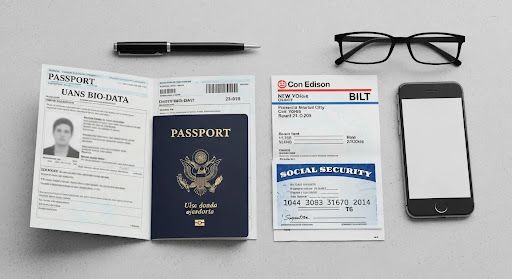
Before you go to the DMV, gather identity, residency, and Social Security documents that meet MV-44 requirements so your visit goes smoothly. The DMV uses document combinations to verify identity and residency, so bring at least one primary ID plus supporting proofs that match the DMV checklist. Below is a clear comparison of commonly accepted documents and helpful notes so you can pick the right items for your situation and avoid delays at the counter.
DMV checks — generally, one primary identity proof plus residency or SSN documentation. Having these originals organized ahead of time cuts down wait time, prevents rescheduling, and speeds the vision check and fee processing.
Which Identification and Proof of Residency Documents Are Accepted?
The DMV accepts specific combinations of primary and secondary documents to verify identity and residency; picking the right pair avoids rescheduling. Primary items like a U.S. passport or certified birth certificate are definitive ID proofs, while a state ID plus a utility bill or bank statement usually covers residency. Non‑citizen applicants should bring acceptable immigration documents and ensure names and dates match across all papers. Preparing these documents before completing the MV-44 will make the visit to vision screening and the written test quicker and less stressful.
How to Complete the MV-44 Form and Schedule Your DMV Appointment?
Fill out the MV-44 carefully — errors are a common cause of delays. Enter your full legal name, date of birth, and Social Security number exactly as they appear on your primary documents, choose the learner permit option, and complete parent/guardian sections if you’re under 18. After the MV-44 is done, use the DMV appointment system to reserve a slot for the vision screening and written test, and bring original documents on your appointment day. Getting the MV-44 right and booking early gives you time to follow the study plan in the next section.
How to Prepare for the New York Permit Test: Study Guides and Practice Tests
The best prep starts with the NYS Driver’s Manual, focused practice on sign recognition and traffic law questions, and repeated timed practice tests that match the real exam. The permit test checks traffic laws, road signs, and safe driving practices; a study plan that balances reading, sign drills, and timed quizzes over several weeks builds knowledge and test confidence. Below is a quick comparison of study resources and how to use them. After the table, you’ll find recommended practice strategies and frequency tips to turn study time into a passing performance.
Pairing the Driver’s Manual with frequent NY‑specific practice tests and focused sign drills is the most efficient route to readiness. The next subsection shows which topics to master and how to structure practice sessions.
What Topics Are Covered in the NYS Driver’s Manual for the Permit Test?
The NYS Driver’s Manual covers traffic laws, right‑of‑way rules, safe driving techniques, and road signs — all of which map directly to permit test question categories and real-world driving decisions. Study the manual to understand scenario questions, penalties and point systems, and how to make safe choices behind the wheel. Focus on three core areas: traffic laws and right‑of‑way, road signs and signals, and defensive driving practices. Once you know these basics, use sign drills and timed quizzes to turn knowledge into quick recall on test day.
Where Can You Find NY Permit Practice Tests and Road Signs Quizzes?Where Can You Find NY Permit Practice Tests and Road Signs Quizzes?
NY‑specific practice tests and road sign quizzes are available from official and trusted third‑party platforms — pick resources that mirror the exam format (multiple choice, timed, sign identification). Use short sign‑only quizzes for quick wins and full 20‑question timed practice exams to work on pacing. Treat practice tests like the real thing: set a time limit and avoid outside help. For structured, interactive prep, Online Traffic Safety offers NY‑focused practice tests and an NY‑specific study guide that emphasize sign recognition and common permit questions in a self‑paced format that fits around school or work. Regular, timed practice plus manual study is the most reliable path to hitting the sign and numeric criteria on test day.
What Is the NY 5-Hour Pre-Licensing Course and How Does It Affect Road Test Eligibility?What Is the NY 5-Hour Pre-Licensing Course and How Does It Affect Road Test Eligibility?
The NY 5‑hour pre‑licensing course is a required instructional step many new drivers must finish before scheduling a road test. It covers safe driving basics and road test readiness and issues an MV-278 certificate that you’ll need to book a road test. Topics include defensive driving, vehicle operation, and preparing for test-day conditions. Whether you take the course in person or online (when allowed), plan for course completion when scheduling your road test — the timing can affect when you can take your on‑road exam.
Who Must Complete the 5-Hour Pre-Licensing Course in New York?
Most new drivers must complete the 5‑hour pre‑licensing course and get the MV‑278 before taking a road test. The course is a standard requirement intended to ensure applicants have formal instruction on driving risks and test expectations. Applicants 18 and older often have approved online options, while younger drivers usually take in‑person classes or driver education programs — check accepted formats when you plan your test date. Because the MV‑278 is required to schedule a road test, include the course in your timeline as you log practice hours and book appointments.
How to Take the NY 5-Hour Pre-Licensing Course Online with DMV Approval?

Online pre‑licensing courses let you complete the 5‑hour requirement on your own schedule with self‑paced modules, quizzes, and a certificate process — but always confirm the provider’s MV‑278 is accepted by NYSDMV. Choose a reputable, DMV‑approved online provider that issues an MV‑278 or equivalent proof, and keep the certificate and any confirmation codes for your road test application. The online course includes driving safety topics, knowledge checks, and instructions for printing or downloading the MV‑278; make sure your completion records meet DMV requirements to avoid scheduling problems. Finishing the course online can free up time for extra supervised driving before your road test.
What Are the Driving Restrictions and Rules After Getting a NY Learner’s Permit?
With a New York learner’s permit you must follow rules about supervision, passenger limits, and device use until you qualify for a junior or full license. These restrictions are designed to protect new drivers as they gain experience. Common rules require a qualified supervising driver, limit certain passenger counts and nighttime driving, and prohibit handheld device use while driving. The table below summarizes typical restrictions, who they apply to, and key notes so permit holders know how to comply and properly log practice driving. Following these rules helps you progress to a road test and eventual full licensure without setbacks.
These rules emphasize supervised driving and safe behavior. Follow them closely to avoid penalties that could delay earning a junior or full license. The next section explains how to log supervised driving and build well‑rounded experience.
Use a clear, dated log to document supervised driving and ensure you get varied driving practice.
Record each session with the date, start/end times, mileage, and supervising driver’s name to create a verifiable log.
Practice in different conditions — daytime and nighttime, city and suburb, and in various weather — to broaden skills.
Review restrictions before each drive so both the supervising driver and learner understand legal limits and avoid infractions.
Good logging habits demonstrate readiness for the road test and help you meet licensing progression rules.
What Supervised Driving Hours Are Required for Junior License Holders?
To upgrade to a junior license, new drivers must log at least 50 hours of supervised driving, including 15 hours at night, and keep documented records of practice sessions. Your log should include dates, duration, and supervising driver attestations when required. Aim for diverse driving conditions to build the skills you’ll need for the road test. Accurate, contemporaneous records reduce disputes about hours and ensure you meet DMV expectations when you submit paperwork for a junior license. Properly documented practice sessions also make it easier to schedule a road test once your pre‑licensing course is complete.
What Are the Restrictions for Junior License Holders in New York?
Junior license holders face passenger limits, nighttime curfews, and stricter device rules to lower distraction and exposure to high‑risk situations. Common restrictions include limits on non‑family passengers (often no more than one passenger under 21 unless supervised by a parent), a driving curfew (generally 9 p.m. to 5 a.m. without supervision), and a zero‑tolerance policy for handheld device use while driving. Violating these rules can lead to suspensions or extensions of the provisional period, so follow them carefully. Practicing defensive driving and staying within the rules helps junior drivers build a clean record on the path to full licensure.
Frequently Asked Questions
What should I do if I fail the NY permit test?
About the Author
Sarah Chen is a recognized expert in driver education and traffic safety, with over 15 years of experience guiding new drivers through the licensing process. Holding certifications in defensive driving instruction and a deep understanding of New York State DMV regulations, Sarah has helped thousands of individuals successfully obtain their learner's permits and driver's licenses. Her practical insights and clear explanations are informed by years of teaching both classroom and behind-the-wheel courses, making complex DMV requirements accessible and easy to understand for aspiring driver
Who we are
Featured links
Get in touch
-
info@onlinetrafficsafety.com
Connect with us
-
Facebook
-
Twitter
-
Youtube
-
Instagram
-
Linkedin
-
TikTok