How to Pass the New York Driver Permit Test Online: Your Complete NYS Learner’s Permit Study Guide
Jan 21
Passing the New York driver permit test starts with a focused plan: the right study materials, realistic practice, and a clear checklist for the in-person DMV step. This guide walks you through what the NY learner’s permit test covers, who’s eligible, which documents to bring, and how to use online tools—manual summaries, short video lessons, and timed practice simulators—to study efficiently. Many learners trip up on road-sign recognition and situational questions; below you’ll find practical techniques to master those areas, including timed drills, spaced repetition, and a suggested study schedule. You’ll also get reliable places for free practice questions, step-by-step DMV expectations, post-permit rules, and options for courses that fit busy lives. Everything is framed with New York–specific guidance and structured practice so you can build confidence and pass the permit test on your next strong attempt.
What Are the New York State Learner’s Permit Requirements?
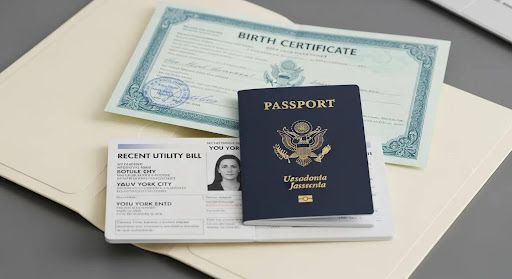
To get a New York learner’s permit you must meet age and identity rules, present acceptable documentation, and follow Graduated Driver Licensing (GDL) requirements if you’re under 18. Expect to show proof of identity, lawful presence, and New York residency; some applicants also need Social Security verification or parental consent. Fees apply and the DMV processes applications. Preparing these documents ahead of time prevents delays and lowers test-day stress. The table below summarizes the core eligibility items so you can scan requirements and collect the right paperwork before your DMV visit.
Requirement
Requirement
Age- Minimum and conditional rules- Minimum age to apply is 16; applicants under 18 follow GDL conditions
Identity & Presence Proof of identity and lawful presence- Birth certificate, valid passport, or other government-issued ID
Residency & SSN Residency verification and Social Security info Recent utility bill, lease, or Social Security card where required
This table highlights the key items to confirm before applying. Collecting these documents in advance shortens your DMV appointment and lets you focus on studying for the knowledge test. The sections that follow break down the age rules and the specific documents to include so you can build a checklist and avoid surprises on test day.
What Is the Minimum Age to Get a NY Learner’s Permit?
You can apply for a New York learner’s permit at age 16. Drivers under 18 are subject to GDL rules that include parental consent, supervised driving requirements, and a staged timeline for pre-licensing education and the road test. This phased approach pairs early driving experience with required practice hours and training when needed. Knowing the timeline helps families plan lessons, log practice hours, and schedule mock road tests to meet the state’s progression benchmarks.
Which Documents Do You Need to Apply for a NY Permit?
Before your DMV visit, gather primary identity documents, proof of New York residency, and any required Social Security or parental consent paperwork. Use this short checklist so you won’t need last-minute replacements.
- Primary identity: birth certificate or passport.
- Proof of New York residency: recent utility bill, lease, or official mail.
- Social Security information: Social Security card or acceptable verification, if required.
Having these items ready speeds check-in at the DMV and ensures your application is processed without avoidable delays. Finish by confirming accepted payment methods and any additional DMV forms required the day you take the knowledge test.
How Can You Prepare for the NY Driver Permit Test Online?
Preparing online is most effective when you combine concise NYS Driver’s Manual summaries, road-sign flashcards, and timed practice tests that mimic the real exam’s format and pace. Online tools work by giving repeated exposure, instant feedback, and clear explanations that point you back to the manual sections being tested. A smart study routine uses short daily sessions, focused topic drills, and full timed practice exams to build knowledge and test stamina. The table below compares common online methods and the measurable benefit each delivers.
Study Method
Study Method
Manual Summaries
Practice Tests
Video Lessons
Attribute
Condensed coverage of NYS rules
Practice Tests
Video Lessons
Attribute
Condensed coverage of NYS rules
Timed simulations with answer explanations
Visual demos of maneuvers and signs
Measurable Benefit
Saves reading time and speeds comprehension
Boosts accuracy and lowers test anxiety
Visual demos of maneuvers and signs
Measurable Benefit
Saves reading time and speeds comprehension
Boosts accuracy and lowers test anxiety
Improves recognition and real-world understanding
Mixing these approaches improves retention faster than passive reading because each method trains a different skill: recognition, recall, and application. For course options and study tools, see our online driving courses. The next section outlines the test’s primary topics and shows how to structure your study time around them.
What Topics Are Covered in the NY Permit Test?
The NY knowledge exam focuses on three main areas: road signs, traffic laws, and safe driving practices. Sign questions use images that test quick recognition of shapes, colors, and symbols. Law items check rules like right-of-way, speed limits, and signaling. Scenario questions assess situational judgment—following distances, impaired driving consequences, and emergency procedures. Prioritize practice sessions around sign drills, law quizzes, and scenario-based questions to identify weak spots and speed up readiness.
What Are the Benefits of an Online NY Permit Preparation Course?
An online prep course turns passive manual reading into a guided learning plan with interactive quizzes and progress tracking. Self-paced modules let you drill specific weaknesses, while instructor-curated content organizes material into digestible sections aligned with the NYS Driver’s Manual. Immediate feedback on practice tests explains why answers are wrong and points you back to the exact manual topics to review—making study time far more efficient and improving pass rates. These benefits—flexibility, targeted practice, and an expert-designed curriculum—help learners move from understanding to confident test performance faster than unguided study alone.
Where Can You Find Free NY Permit Test Practice Questions Online?
Quality free practice questions are available from official NYS resources and trusted practice platforms that mirror the exam format and include explanations. Free tools are great for early-stage learners who need exposure to question types before choosing a paid course. Use free resources for timed drills, focused sign practice, and checkpoint tests—then measure progress with periodic full-length timed exams. Below are effective ways to use free practice material and what each approach gives you.
- Take timed 20–25 question quizzes to practice pacing and avoid rushing.
- Run short sign-only drills to sharpen visual recognition speed.
- Always read explanations after practice tests to connect mistakes back to the manual.
Free practice identifies weak areas cost-effectively and builds the repetition needed for automatic recall. Once you’re comfortable with question types, many learners benefit from a structured course to consolidate knowledge before the DMV exam.
How Do NY Permit Practice Tests Help You Pass?
Practice tests recreate the knowledge test’s structure and timing so you’re not surprised on test day. They pinpoint knowledge gaps by showing exactly which topics you miss and reinforce learning through repeated retrieval—spacing short practice sessions over several days is especially effective. Timed practice improves pacing so you’re less likely to run out of time during the official exam. Combine targeted practice with review of explanations to systematically close gaps and raise your chances of passing.
What Types of Practice Questions Are Included?
Practice banks usually contain multiple-choice knowledge items, image-based sign identification, and scenario questions that simulate real driving decisions. Multiple-choice items check recall of rules like speed limits and right-of-way; sign questions train visual pattern recognition; scenarios test how you apply laws in context, such as yielding or merging safely. Mixing question types in study sessions builds both recognition and applied judgment—both essential for a strong permit score.
How Do You Schedule and Take the NY Permit Test?
To schedule the official NY permit test, use the NYS DMV appointment system and confirm which documents and fees you must bring. The knowledge test is administered in person at DMV testing centers, so align your online prep to your test date and bring the required paperwork. On test day, arrive early with originals, complete check-in, and follow staff directions to the testing area; results are usually given immediately and determine whether you can get your permit or need to retake the exam. The checklist below covers the key actions to complete before and during your DMV appointment.
- Confirm eligibility and collect required documents: proof of identity, residency, and parental consent if under 18.
- Schedule an appointment with the DMV: pick a nearby testing center and confirm date and time.
- Arrive early and complete check-in: present documents, pay fees, and follow staff instructions.
Following these steps reduces administrative hiccups so you can focus on taking the test. The next part explains whether the official permit exam can be taken online and what to expect during the in-person session.
Can You Take the NY Permit Test Online?
No—the official NY permit knowledge test must be taken in person at an authorized DMV testing center. Preparation, however, can and should be done online. Use timed simulations and sign drills to replicate the exam environment so you arrive at the DMV calm and ready. You may bring a printed checklist or quick review notes before you check in, but you cannot use study materials during the test itself. In short: preparation = online; the official exam = in-person.
What Should You Expect on the Day of the NY DMV Permit Test?
Expect a check-in that verifies your documents, a short wait, and supervised completion of the knowledge test on a computer or paper depending on the site. The exam typically contains multiple-choice questions covering signs, laws, and safe driving practices, and you’ll get pass/fail results right away. If you pass, the DMV will walk you through permit issuance; if you don’t, they’ll explain retest rules and recommend study areas. Arrive rested with a final quick review of critical signs and rules to help steady your focus.
What Are the Rules After Getting Your NY Learner’s Permit?
With a New York learner’s permit you must follow supervision, passenger, and cellphone restrictions and meet GDL milestones while you log required practice toward the road test. Permit holders must drive with a qualified supervising driver and obey any hour or passenger limits that apply to under-18 drivers. Practicing core maneuvers—parallel parking, lane changes, and controlled turns—while following these rules prepares you for the road test and reduces the chance of violations that could delay licensure. The list below highlights common restrictions and why they matter for progressing to a full license.
- Supervision requirement: a licensed adult (usually 21 or older) must be in the vehicle.
- Passenger or curfew limits: restrictions that reduce distraction for novice drivers.
- Device restrictions: no handheld cellphone use while driving with a permit.
Following these rules keeps you legal and structures your practice so you build the habits examiners expect. The next section lists the specific restrictions and gives examples for drivers under 18.
What Are the Driving Restrictions with a NY Learner’s Permit?
Permit holders may only drive when accompanied by a qualified supervising driver and must follow passenger and time-of-day limits that apply to their age group. Cellphone and handheld device use is restricted for novice drivers. For example, under-18 drivers typically face stricter passenger limits and may be subject to night-time driving restrictions; supervising drivers are generally required to be at least 21 and hold a valid license. These rules provide controlled exposure to driving risk and prioritize supervised practice to develop safe decision-making. Know the exact constraints so you can schedule practice sessions and avoid infractions that could delay your road test eligibility.
How Do You Prepare for the NY Road Test After the Permit?
Preparing for the NY road test means planning deliberate supervised driving that targets the required maneuvers, confident vehicle control, and consistent safe habits in varied conditions. Practice parallel parking, three-point turns, lane changes, and controlled stops, then run mock road tests with your supervising driver to simulate examiner expectations and identify nervous or inconsistent behaviors. Track progress with a checklist and gradually increase route complexity to build readiness while meeting supervised driving hour recommendations. Staged practice and mock evaluations turn permit driving into direct preparation for the road test.
If you want to advance your qualifications, specialized training programs can help. These courses can assist drivers who want to upgrade from Class B to Class A, opening more career opportunities in transportation.
Some endorsements require extra training. For example, transporting hazardous materials needs a hazmat endorsement, which covers strict safety and compliance rules.
For drivers interested in passenger services or public transit, a passenger endorsement provides training on vehicle operation, passenger safety, and service procedures.
Where Can You Enroll in an Online NY Driver’s Permit Course?
When choosing an online NY permit course, look for clear alignment with the NYS Driver’s Manual, interactive practice tests with detailed explanations, mobile-friendly access, and progress tracking so you can measure improvement. Good courses break content into modules covering signs, laws, and situational judgment and offer support or instructor-curated guidance for common mistakes. Compare options by trial availability, refund policy, and demonstrated state alignment to find the best fit for your schedule and learning style.
If you’re deciding between self-study and a structured course, ask how much feedback and curriculum organization you need to speed up passing and reduce total study time. The following section lists specific features to look for and explains how one provider frames its permit preparation offering.
What Features Should You Look for in an Online NY Permit Prep Course?
Pick a course that maps directly to the NYS Driver’s Manual, tracks performance, offers interactive practice with clear explanations, and supports mobile study for flexible sessions. Instructor-curated curriculum and responsive customer support add value by answering content questions and guiding remediation. Transparent trial or refund policies reduce risk if the course isn’t the right fit. Mobile-friendly micro-lessons make it easy to practice consistently—spaced repetition from short, frequent sessions improves retention and converts study time into measurable progress.
How Does Online Traffic Safety’s NY Permit Preparation Course Help You Succeed?
Online Traffic Safety delivers up-to-date, practical traffic safety training with flexible, self-paced learning and interactive content designed by experienced instructors. The site focuses on FMCSA-approved Entry-Level Driver Training (ELDT) courses for Commercial Driver's Licenses (CDL)—Class A, Class B, Hazmat, and Passenger endorsements—while also offering general driver test prep and driving-skills modules. The permit preparation offering is positioned to help learners pass the knowledge exam through structured lessons, practice tests, and support. Core value propositions include FMCSA approval and nationwide validity; flexible, self-paced delivery; interactive course material; expert-curated curriculum; and dedicated customer support.
- Alignment: Modules correspond to official manual sections so you study what appears on the test.
- Practice & Feedback: Interactive tests explain answers and reinforce learning from mistakes.
- Support: Customer and curriculum support helps resolve content questions and guide remediation.
Together, these features create a practical framework for choosing a course: pick one that matches the state manual, provides measurable practice, and offers responsive support to turn study hours into a passing DMV result.
Frequently Asked Questions
What is the format of the NY permit test?
The New York permit test is multiple-choice and checks your knowledge of road signs, traffic laws, and safe driving practices. It usually mixes image-based sign questions with scenario-based items that test decision-making in real driving situations. Knowing the format helps you focus practice on the question types you’ll see on exam day.
How long is the NY permit test?
The test is typically designed to be completed in about 30 minutes, though exact timing can vary by testing center and question set. Practice with timed quizzes to build the pacing you’ll need on the actual exam.
What happens if you fail the NY permit test?
If you fail, you’ll get immediate feedback showing areas that need work. You can retake the test, though there may be a waiting period before your next attempt. Use the feedback and extra practice to target weak topics before re-testing.
Can you use study materials during the NY permit test?
No. Study materials, notes, and electronic devices are not permitted during the official test. Prepare by studying the NYS Driver’s Manual and practicing with mock tests so you’re ready without outside help.
How often can you take the NY permit test?
You may retake the test as needed, but the DMV may impose waiting periods between attempts. Often you’ll need to wait at least one day. Use that time to review and address the areas where you missed questions.
Are there any fees associated with the NY permit test?
Yes. Fees apply for the application and permit, and amounts can vary by age and permit type. Check the NYS DMV website for the latest fee information and bring appropriate payment on test day.
What should you bring on the day of the NY permit test?
Bring original documents that prove identity, residency, and lawful presence, plus parental consent if you’re under 18. Also be prepared to pay the required fees. Arriving with everything ready avoids delays and helps you focus on the test.
About the Author
This guide was developed by a team of traffic safety experts and educators at Online Traffic Safety, a leading provider of FMCSA-approved Entry-Level Driver Training (ELDT) courses and comprehensive driver test preparation. With decades of combined experience in driver education, curriculum development, and regulatory compliance, our specialists are dedicated to creating accurate, up-to-date, and effective learning materials. Our commitment to fostering safe driving practices and helping individuals successfully navigate the licensing process ensures that the information provided is both authoritative and practical for aspiring New York drivers.
Who we are
Online Traffic Safety is at the forefront of delivering up-to-date and effective traffic safety training. We believe that informed drivers are safe drivers, and our goal is to equip every individual with the knowledge and skills needed to navigate the roads confidently and safely.
Featured links
Get in touch
-
info@onlinetrafficsafety.com
Connect with us
-
Facebook
-
Twitter
-
Youtube
-
Instagram
-
Linkedin
-
TikTok
Online Traffic Safety © 2025