Entry-Level Driver Training online lets new commercial drivers meet federal rules without stepping into a classroom. This guide shows how ELDT works, why the Federal Motor Carrier Safety Administration mandates it, and how students can enroll and finish courses entirely online. Readers will learn the step-by-step process, compare Class A, B, Hazmat, Passenger, and School Bus options in a clear table, explore benefits of flexible theory training, verify FMCSA approval, and see how ELDT preparation leads to CDL test success and career growth.
Entry-Level Driver Training (ELDT) is the federally required curriculum for first-time CDL applicants and upgrades to certain endorsements. It ensures drivers learn key safety rules and vehicle operation basics. Understanding ELDT helps new drivers see why
online theory courses have become essential.
Entry-Level Driver Training (ELDT) defines the theory lessons new commercial drivers must complete before taking a skills test. It covers vehicle inspection, basic controls, hours-of-service rules, and emergency handling to boost road safety and reduce crashes. For more information about ELDT, check out the
ELDT blog.
The FMCSA mandate requires all new CDL applicants and some endorsement upgrades to finish ELDT before state testing. By working with the
Federal Motor Carrier Safety Administration, providers report training completion directly to the national registry, ensuring only compliant drivers advance to licensing.
The Federal Motor Carrier Safety Administration (FMCSA) requires
Entry-Level Driver Training (ELDT) for new CDL applicants and those seeking certain endorsements. This training ensures that drivers learn essential safety rules and vehicle operation basics before testing for their commercial driver's license.
Federal Motor Carrier Safety Administration
This citation supports the article's claims about the FMCSA's role in mandating
ELDT.
Anyone applying for a Class A or Class B CDL, adding a Hazmat, Passenger, or School Bus endorsement, or upgrading from B to A must complete ELDT. Drivers curious about full program offerings can explore the
CDL Training overview to match their career goals.
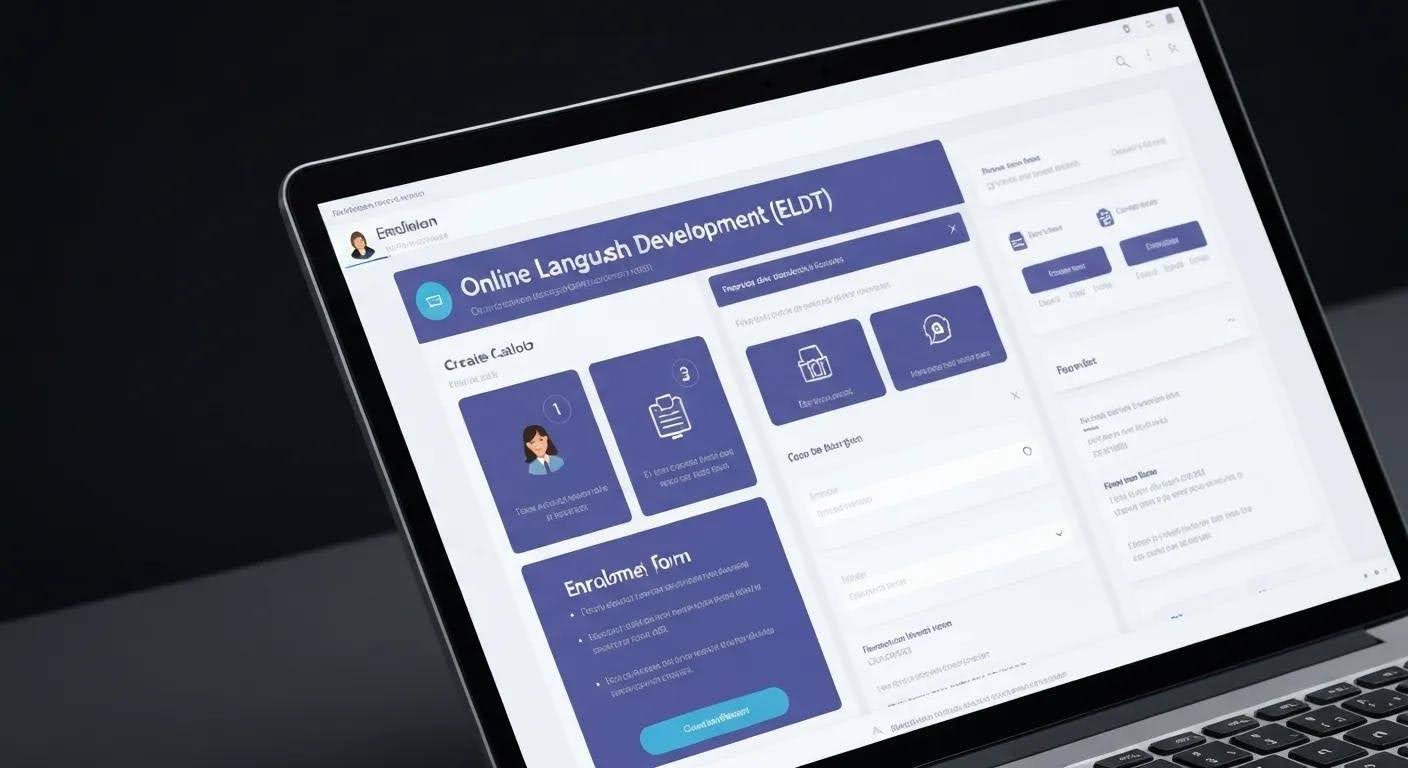
Completing ELDT online involves enrolling, finishing interactive modules, and reporting results to the FMCSA registry. This process streamlines training so drivers can learn theory at their own pace.
To enroll, students create an account on
Online Traffic Safety, select the
ELDT theory program, complete payment, and start modules instantly. Guided lessons and progress tracking make registration quick and clear.
Online ELDT theory training typically takes 30–40 hours and can be spread over days or weeks. Self-paced modules allow drivers to fit lessons around work or family, promoting steady progress without time pressure.
Upon finishing all modules and passing quizzes, the provider uploads completion data to the FMCSA Training Provider Registry. This automatic reporting verifies compliance and lets state agencies confirm a driver’s eligibility for CDL testing.
Providers offer tailored theory courses for every CDL class and major endorsement. The table below outlines core options so drivers can pick the right program.
Below is an overview of ELDT online course options and who they serve.
| Course |
Learning Outcome |
Eligibility |
| ELDT Class A CDL |
Master combination vehicle operation theory |
New Class A CDL applicants |
| ELDT Class B CDL |
Understand single-vehicle operation basics |
New Class B CDL applicants |
| ELDT Class B to Class A Upgrade |
Bridge B-level skills to Class A standards |
Existing Class B CDL holders |
| ELDT Hazmat Endorsement |
Learn hazardous materials regulations |
CDL holders adding Hazmat endorsement |
| ELDT Passenger Endorsement |
Cover passenger safety and emergency rules |
CDL holders transporting passengers |
| ELDT School Bus Endorsement |
Study school bus protocols and student safety |
CDL holders driving school buses |
ELDT Class A theory training covers air brake systems, coupling and uncoupling procedures, and vehicle inspection steps. The
ELDT Class A program uses videos, quizzes, and printable summaries to cement knowledge and prepare drivers for the Class A skills test.
Drivers who hold a Class B CDL can upgrade by completing targeted modules on combination rigs, load management, and advanced inspection protocols. The
ELDT Class B to Class A Upgrade course bridges experience gaps and meets FMCSA upgrade requirements.
Hazmat ELDT training teaches chemical hazard classifications, placard requirements, and emergency response. In the
ELDT Hazmat course, drivers learn safe transport techniques that align with federal regulations for hazardous materials.
Passenger ELDT training reviews passenger safety protocols, ADA compliance, and emergency evacuation. School Bus ELDT adds student management and school zone rules. Prospective drivers can enroll in the
ELDT Passenger or
ELDT School Bus programs to cover all endorsement criteria.
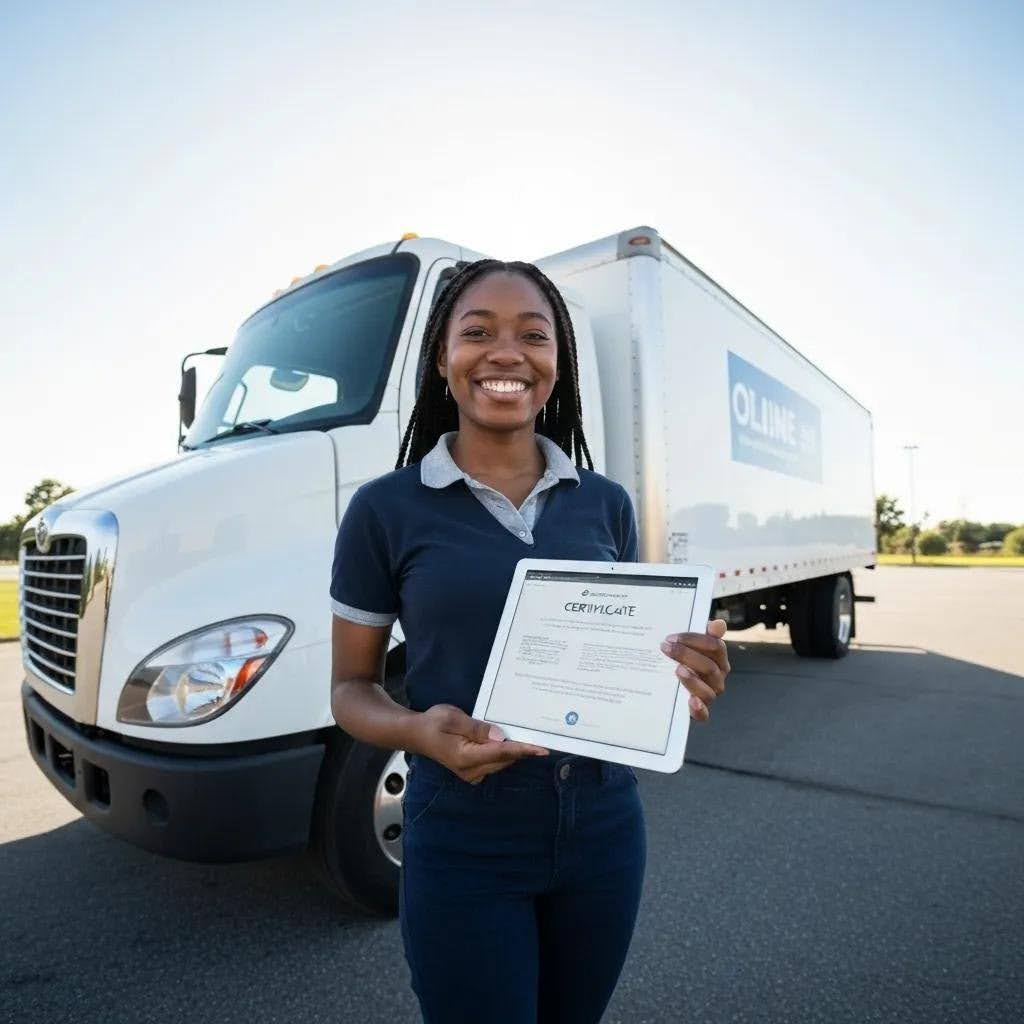
Online ELDT theory courses combine flexibility, compliance assurance, and career support. Drivers save time, learn on any device, and meet FMCSA guidelines without traveling to classroom sites.
Online ELDT breaks lessons into short interactive chapters accessible 24/7. Students can pause and resume training on phones or laptops, fitting study into busy schedules and reducing stress around appointments and travel.
OnlineTrafficSafety.com follows federal syllabus guidelines, uses approved quizzes, and reports completions to the registry. This process guarantees every graduate meets FMCSA standards and can schedule state testing with confidence.
Drivers who complete online
ELDT gain a certified theory background that improves knowledge retention and test success rates. Certification often leads to faster job placement, higher starting wages, and smoother onboarding with carriers.
Selecting a provider listed in the national registry ensures valid theory credit and seamless reporting. Key steps include checking the
FMCSA database and reviewing provider credentials.
The Training Provider Registry (TPR) is the official FMCSA list of approved
ELDT vendors. It confirms that a program meets federal standards and that completion records will be trusted by licensing agencies.
OnlineTrafficSafety.com combines accredited content, intuitive platform design, and direct FMCSA reporting. Its courses align with national requirements and provide clear progress tracking, making it a reliable choice for new commercial drivers.
Drivers often wonder about
online theory options, costs, state rules, and certification steps. Clear guidance on these topics speeds decision-making and reduces confusion.
Online ELDT theory training can be finished entirely online because it delivers all required modules through interactive lessons that drivers complete at their own pace, ensuring full compliance without in-person sessions.
ELDT theory course fees range from $100 to $200 depending on course type and endorsements. Bundled packages for multiple endorsements often offer savings, making
online options budget-friendly for new drivers.
ELDT theory content is federal, but state DMVs may require additional forms or fees for scheduling CDL tests. Drivers should check their state DMV website for local steps after completing national ELDT modules.
After passing all theory quizzes, the provider issues a digital certificate and reports completion to FMCSA. Drivers download their certificate as proof and show it to state examiners when scheduling the CDL skills test.
ELDT theory courses lay the groundwork for both knowledge-test success and safe on-road performance. Instructors integrate real-world examples, quiz feedback, and targeted review sessions.
ELDT theory courses include
hazard response, basic controls, shifting procedures, hours-of-service regulations, and vehicle inspection.
Online ELDT courses cover a range of topics, including vehicle inspection, basic controls, hours-of-service rules, and emergency handling. These courses are designed to prepare drivers for the
CDL knowledge and skills tests, as well as promote road safety.
Online Traffic Safety
This citation supports the article's description of the content covered in
ELDT courses.
| Topic |
Description |
Exam Relevance |
| Vehicle Inspection |
Pre-trip and post-trip checklists |
Essential for safety and test inspection |
| Basic Vehicle Controls |
Steering, braking, and backing techniques |
Measured in the knowledge and skills tests |
| Hours-of-Service Rules |
Federal driving time limits and logs |
Tested on written exams and on-road compliance |
| Hazard Recognition |
Identifying and reacting to road dangers |
Critical for safe driving and endorsements |
| Emergency Procedures |
Brake failure response and evacuations |
Evaluated in practical demonstrations |
The table shows how theory topics align with exam needs and on-road safety standards.
Interactive quizzes reinforce key points immediately, while progress reports highlight areas needing review. This targeted practice boosts confidence and exam readiness by focusing on official question banks.
Students report high pass rates and quick scheduling after finishing
ELDT online. For example, one learner completed the ELDT Class A program in two weeks and passed the CDL knowledge test on the first try, launching a trucking career without delays.
Ron Miller is a certified commercial driver trainer with over 15 years of experience on the road and in the classroom. He specializes in helping new drivers navigate the complexities of CDL licensing and ELDT requirements, ensuring they are well-prepared for a safe and successful career in the trucking industry.
Online ELDT training brings federal theory requirements directly to aspiring drivers in a flexible, self-paced format. By choosing FMCSA-approved courses, learners earn valid completion records, streamline the CDL process, and build a foundation for safe, successful commercial driving. This guide has walked through every aspect from defining ELDT to comparing course options, explaining benefits, and showing how online theory leads to exam success and career advancement. Start
ELDT training today to fast-track your path to a commercial driving license.